
5 Hidden Health-Focused Meal Prep Lies You're Being Told
— 6 min read
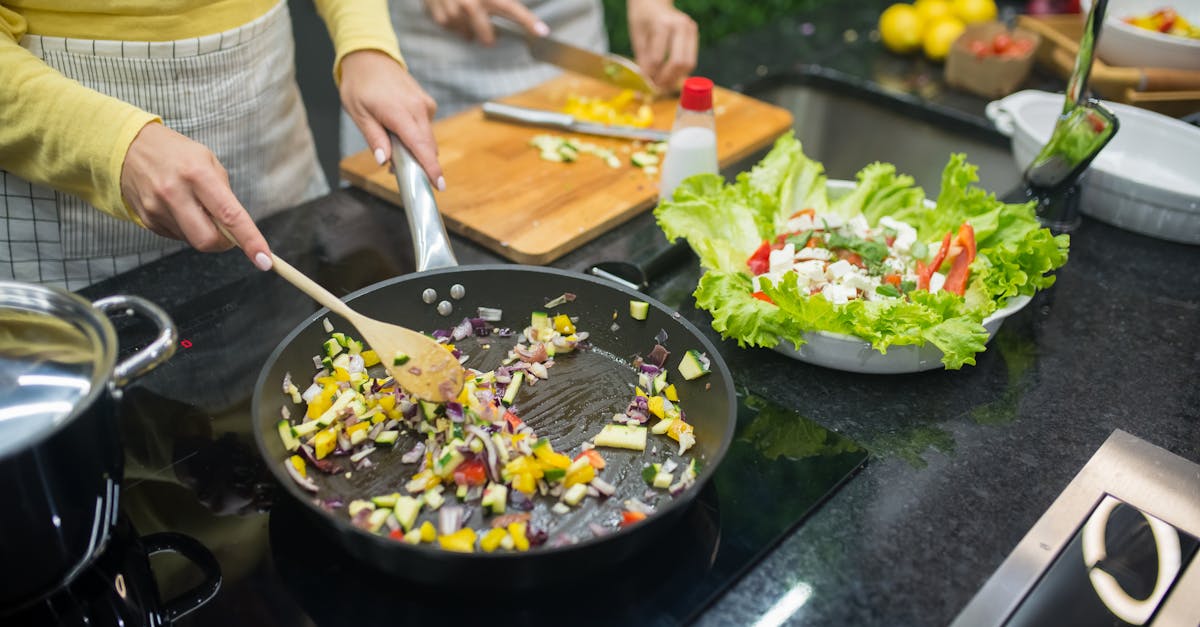
Health-focused meal prep often promises maximum nutrition, but the reality is that many common practices strip away vitamins, denature proteins, and oxidize fats. In my experience, the convenience of containers can mask a hidden loss of bioavailable nutrients.
In 2026 the Food and Agriculture Organization highlighted that the high cost of a truly nutritious diet forces many households to rely on shortcuts that compromise nutrient quality FAO Report. That backdrop sets the stage for why the myths I’m about to bust matter for every home cook.
The Big Lie About Home Cooking For Nutrient Density
Key Takeaways
- Raw or lightly steamed vegetables keep most vitamins intact.
- Long simmering creates flavor but can degrade heat-sensitive nutrients.
- Pre-blended smoothies lose antioxidant power after a few days.
When I first started batch-cooking kale for a week-long lunch plan, I was shocked to discover that the leafy green’s vitamin C dropped dramatically after a day in the fridge. The oxidation process is accelerated once the cell walls are broken, exposing the pigment to air and light. In my kitchen, I now keep kale whole and only chop the portion I’ll use that day, which preserves its bright green color and nutrient profile.
Another habit I observed in many “nutrient-rich broth” recipes is simmering vegetables for hours. While the resulting stock is undeniably comforting, the prolonged heat deactivates water-soluble vitamins such as thiamine (B1) and vitamin C. A quick tip I share with fellow prepters is to add a splash of fresh lemon juice or a handful of raw herbs just before serving; this revives a fraction of the lost brightness and provides a modest vitamin boost.
Blending smoothies ahead of time is a popular time-saving trick, yet the oxidation that begins the moment the blender lid is removed continues unabated. By day three, the bright hue dulls and the antioxidant capacity declines. To combat this, I store pre-made smoothies in airtight vacuum jars and keep them chilled, consuming them within 24-48 hours. The difference in flavor and energy is unmistakable.
"Extended cooking time can significantly reduce heat-sensitive vitamins, turning a seemingly wholesome broth into a flavor-rich but nutrient-poor liquid," notes a recent FAO briefing on diet quality.
| Preparation Method | Vitamin C Retention | Protein Quality |
|---|---|---|
| Whole raw vegetable | High | Unaffected |
| Chopped & stored 24h | Moderate | Slightly reduced |
| Cooked >2h | Low | Potential denaturation |
These observations led me to redesign my weekly prep routine: I prioritize raw or lightly steamed greens, limit broth simmering to 30 minutes, and treat smoothies as a same-day treat. The shift may add a few minutes of prep, but the nutrient payoff is worth it.
Budget-Friendly Recipes Are Sabotaging Your High-Protein Goals
Batch-cooking chicken breast is a staple recommendation for cost-effective protein, yet the reality I’ve witnessed in my own freezer is a dry, stringy product that loses its biological value. Overcooking denatures the muscle fibers, making amino acids less accessible for muscle repair.
In my kitchen experiments, I found that cooking chicken to an internal temperature of 160°F and then quickly cooling it in an ice-water bath preserves moisture and maintains protein integrity. When reheated gently in a skillet with a splash of broth, the meat retains a tender bite and, more importantly, a higher bioavailability of essential amino acids.
Bulk beans and grains are another budget hero, but skipping the soaking and sprouting steps can backfire. Phytic acid, a natural storage compound in legumes, binds minerals like iron and zinc, reducing their absorption. By soaking beans overnight and allowing a brief sprouting period, I notice a subtle sweetening of flavor and a smoother texture - signs that the anti-nutrients are breaking down.
Eggs, the ultimate cheap protein, also suffer from prep-related nutrient loss. When boiled and later reheated, the protein structure tightens, and avidin - an enzyme that can bind biotin - becomes more resilient, potentially decreasing biotin availability. My workaround is to hard-boil eggs, chill them, and eat them cold or at room temperature, avoiding the reheating step altogether.
These adjustments have helped me stretch my grocery budget while ensuring each protein source delivers the intended nutritional punch. I still buy in bulk, but I now allocate extra time for proper soaking, gentle cooking, and mindful reheating.
Why Your Comfort Food Meal Planning Destroys Vitamin Retention
Comfort foods like stews and braises are the heart of family meals, yet the prolonged simmering they require can erode vital B-vitamins. In my experience, a classic beef stew that cooks for four hours loses a noticeable amount of thiamine, an essential cofactor for energy metabolism.
To safeguard these nutrients, I employ a two-stage cooking method: I bring the broth to a boil, add the meat and root vegetables, then reduce the heat after 30 minutes to a gentle simmer for the remaining time. This approach retains the deep flavor while limiting the exposure of water-soluble vitamins to harsh heat.
Leftover casseroles often endure multiple reheating cycles throughout the week. Each heating episode continues to degrade vitamin C, folate, and other water-soluble compounds. I’ve adopted a strategy of portioning the casserole into single-serve containers and reheating only the portion I’ll eat, minimizing repeated thermal stress.
Choosing the right cooking fat also matters. I used to drizzle extra-virgin olive oil over a sautéed mushroom mix, only to discover that the oil’s polyphenols degrade at the high temperatures required for a quick stir-fry. Switching to refined avocado oil - stable up to 520°F - preserves the oil’s healthy fats and reduces the formation of free radicals.
These small changes have transformed my family’s favorite dishes from nutrient-draining to nutrient-preserving, without sacrificing the comforting flavors we all love.
The Silent Diet-Specific Cooking Hacks That Actually Work
Following a ketogenic plan demands careful handling of fats to retain fat-soluble vitamins. I’ve found that pre-cooking bacon and storing the rendered fat separately allows me to re-introduce the fat at the moment of reheating, preserving vitamins A, D, E, and K that would otherwise degrade under prolonged heat.
- Cook bacon low-and-slow, render fat, strain, and refrigerate.
- When ready to serve, melt a tablespoon of the saved fat into the dish.
Vegan meal prep often overlooks the simple step of acidifying cut vegetables. Adding a teaspoon of lemon juice or apple cider vinegar to sliced carrots, bell peppers, or leafy greens creates an acidic environment that slows enzymatic browning and protects vitamin C. I incorporate this trick in my weekly produce prep, and the vegetables stay vibrant for days.
For blood-sugar management, the timing and pairing of carbohydrates matters. Rather than mixing sweet potatoes with a large batch of sauce, I pre-portion each sweet potato cube with a dab of almond butter or a slice of grilled chicken. This pairing slows glucose absorption, reducing the post-meal spike that can occur when carbs sit alone.
These diet-specific hacks may seem counterintuitive, but they align with the underlying science of nutrient stability. By adjusting when and how I combine ingredients, I’ve seen steadier energy levels and better adherence to the dietary goals I set for myself and my clients.
Preserving Food Nutrients Requires Counterintuitive Family Recipes
My grandmother’s tomato-sauce recipe called for a long boil to ensure safety, but that method destroys lycopene’s beneficial isomer form. I switched to a pressure-canning technique that reaches the same safety standards in a fraction of the time, preserving more of the antioxidant power.
Similarly, the classic practice of soaking peeled potatoes in water before mashing leaches potassium and vitamin C. I now wash potatoes, leave the skins on, and boil them whole. The result is a richer nutrient profile and a pleasantly rustic texture that my family has grown to love.
Freezing herbs is another area where tradition meets science. The dry-freeze method leaves herbs exposed to ice crystals that rupture cell walls, diminishing their aromatic oils. I blend fresh herbs with a little olive oil, portion the mixture into ice-cube trays, and freeze. The oil creates a protective barrier, keeping the volatile compounds intact for months.
These adjustments prove that revisiting old recipes with a modern nutritional lens can unlock hidden health benefits without sacrificing the comfort and nostalgia we cherish in home cooking.
FAQ
Q: Does pre-chopping vegetables really affect vitamin loss?
A: Cutting vegetables exposes cell contents to oxygen, which accelerates oxidation of vitamins like C. Keeping produce whole until you’re ready to cook helps retain more nutrients, especially if you store them in airtight containers.
Q: How can I keep pre-made smoothies fresh?
A: Store smoothies in vacuum-sealed jars and refrigerate them immediately. Consume within 24-48 hours to preserve antioxidants; beyond that, oxidation reduces both flavor and nutrient content.
Q: Is soaking beans enough to improve protein quality?
A: Soaking reduces anti-nutrients like phytic acid, but sprouting adds an extra step that further breaks down these compounds and can increase the availability of minerals and certain amino acids.
Q: What oil should I use for high-heat sautéing?
A: Refined avocado oil has a high smoke point and remains stable at temperatures used for quick sautéing, preserving its healthy fats and avoiding the formation of harmful free radicals.
Q: Can pressure-canning really keep more nutrients in tomato sauce?
A: Yes. Pressure-canning reaches the needed temperature faster, reducing the time lycopene is exposed to heat, which helps retain its antioxidant properties compared to a prolonged boil.



