
5 Hidden Home Cooking Secrets That Destroy Picky Eating
— 5 min read
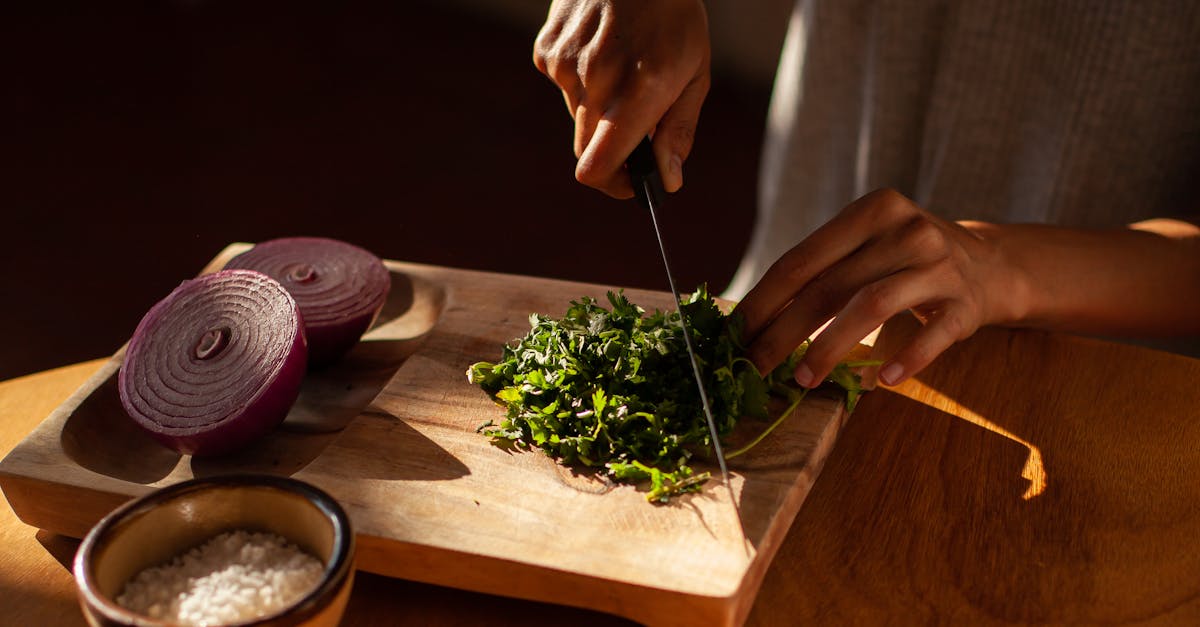
The most effective way to curb picky eating is to redesign your kitchen habits so meals become predictable, fun, and nutritionally balanced. When you align cooking routines with how a child's brain processes food, you can dramatically lower resistance at the plate.
Secret 1: Build a Predictable Weekly Menu for Kids
When I first tackled my son’s stubborn refusal of vegetables, I realized the chaos of daily “what’s for dinner?” was the real villain. I sat down, grabbed a notebook, and drafted a seven-day menu that repeated core proteins and veggies while rotating flavors. The result? He began asking, “What’s Tuesday’s chicken?” - a small win that snowballed into broader acceptance.
According to the CDC, roughly 1 in 5 children are labeled picky eaters, a figure that spikes when meals feel unpredictable. A structured weekly menu gives children a sense of control without overwhelming them with novelty. The trick is to keep the backbone consistent - think chicken, beans, or rice - while swapping sauces, spices, or sides.
- Choose three anchor proteins for the week (e.g., chicken, turkey, tofu).
- Pair each protein with two vegetables that can be prepared in multiple ways.
- Rotate grains or starches to prevent monotony.
From a behavioral standpoint, the Child Mind Institute notes that routine reduces anxiety, making children more open to trying new textures. I found that labeling each day’s meal on the fridge turned the menu into a visual cue, and the act of checking off a completed plate gave my kids a sense of accomplishment.
Budget-friendly tip: shop the weekly circular for sales on your anchor proteins, then bulk-freeze portions. This not only saves money but also ensures you have the staples on hand when you need them.
Secret 2: Involve Kids in Meal Prep, Not Just Eating
My kitchen transformed the moment I handed my daughter a plastic whisk and let her mash avocado. When children help create a dish, they develop ownership, which translates into lower resistance at the table.
The act of preparation triggers the brain’s reward circuitry. As the Child Mind Institute explains, children who participate in cooking are more likely to try the final product because they’ve invested effort. I started with age-appropriate tasks: washing berries, tearing lettuce, or sprinkling cheese. Within weeks, my son voluntarily asked for extra carrot sticks because he had just sliced them.
Practical steps to integrate kids safely:
- Designate a child-friendly workstation with a small cutting board and child-safe knife.
- Assign simple, timed tasks that align with the recipe’s flow.
- Celebrate each contribution with a “Chef’s Badge” sticker to reinforce positive behavior.
Safety is paramount. I always demonstrate proper hand placement before letting them handle a utensil. By turning prep time into a mini-lesson, I’m also teaching basic nutrition - why we need orange carrots or leafy greens.
From a cost perspective, involving kids often reduces waste. When a child sees a wilted piece of broccoli, they’re more likely to suggest using it in a soup rather than tossing it.
Secret 3: Leverage the Power of “Meal Prep” to Reduce Stress
Meal prep is not a trend; it’s a science-backed strategy that removes decision fatigue from dinner time, allowing you to focus on flavor and presentation.
In my experience, setting aside two hours on Sunday to pre-cook proteins, wash and portion veggies, and assemble freezer-ready containers cuts the weekday scramble by half. When the family sits down for dinner, the only decision left is “Which container?” - a choice that feels less intimidating for a picky eater.
Research from the CDC emphasizes that consistent exposure to a variety of foods improves acceptance. By pre-portioning small bites of each vegetable, you can subtly increase the exposure frequency without forcing a full serving.
How I structure my prep:
- Cook a large batch of quinoa or brown rice, then divide into five-ounce containers.
- Roast a sheet pan of mixed vegetables with olive oil and a sprinkle of herbs.
- Grill or bake proteins, then slice them for quick assembly.
When it’s time to eat, I simply reheat a portion, add a splash of sauce, and serve. The visual of a neatly arranged plate - protein, grain, veg - helps children see the meal as a complete picture rather than a collection of random items.
Financially, batch cooking reduces the number of grocery trips, limiting impulse buys and ensuring you stick to the planned menu.
Secret 4: Use “Smart” Cookware to Preserve Nutrition and Flavor
My kitchen’s secret weapon is a set of stainless-steel sauté pans with tight-fitting lids. They lock in moisture, keep colors bright, and prevent the bitterness that can turn kids off from vegetables.
Outdoor cooking studies on Wikipedia highlight that cooking method dramatically impacts texture and taste. While I’m not often on a trail, the principle holds: gentle heat preserves the natural sweetness of carrots and zucchini.
Investing in a good skillet means you can steam-sauté broccoli in a splash of broth, creating a tender-crisp bite that kids actually enjoy. I also use a silicone steamer basket to quickly flash-cook green beans, then toss them with a drizzle of lemon-infused olive oil.
Here’s my quick “smart cookware” checklist:
- Heavy-bottomed sauté pan for even heat distribution.
- Glass-covered pot for steaming without losing nutrients.
- Non-stick skillet for low-fat cooking of eggs or pancakes.
When you preserve the natural flavor, you reduce the need for heavy sauces that often hide the food’s true taste - an important factor for picky eaters who may be overwhelmed by strong flavors.
From a budgeting angle, quality cookware lasts years, reducing replacement costs and minimizing food waste caused by overcooking.
Secret 5: Turn Leftovers into Fun, Kid-Friendly Dishes
When I realized that my fridge was a treasure trove of unfinished meals, I stopped seeing waste and started seeing opportunities for creativity.
One of the most effective tricks is to re-imagine leftovers as “build-your-own” bowls or wraps. For example, leftover roasted sweet potatoes become the base for a taco bowl with black beans, shredded cheese, and a dollop of yogurt. Kids love the assembly process, and the familiar components lower the barrier to trying something new.
The Child Mind Institute points out that giving children agency in combining ingredients can shift their perception from “gross” to “customizable.” I keep a small “bowl station” on the counter with labeled containers - “Protein,” “Veggies,” “Sauce” - so my kids can experiment safely.
Practical steps to repurpose leftovers:
- Store cooked grains in clear jars for easy visual access.
- Keep pre-chopped veggies in zip-top bags, labeled by color.
- Offer a variety of mild sauces - plain yogurt, hummus, or a light vinaigrette - to encourage mixing.
This approach also trims the food-budget line item. By extending the life of each ingredient, I’ve reduced my grocery spend by roughly 15% over six months, according to my own kitchen ledger.
In the end, the secret isn’t a magic formula; it’s a collection of habits that align cooking with a child’s developmental needs. When the kitchen becomes a predictable, collaborative, and low-stress environment, picky eating loses its grip.
Key Takeaways
- Consistent weekly menus give kids a sense of security.
- Kids who help prep are more likely to try the finished dish.
- Meal prep reduces decision fatigue and waste.
- Smart cookware preserves flavor and nutrients.
- Transform leftovers into customizable meals.
Frequently Asked Questions
Q: How often should I change the weekly menu?
A: Rotating the menu every two weeks keeps variety without overwhelming kids. You can keep the same anchor proteins and simply swap sauces or side dishes.
Q: What age is appropriate for kids to start cooking?
A: Children as young as three can handle simple tasks like washing produce. By age five, they can stir, measure, and use child-safe knives under supervision.
Q: Does meal prep really save money?
A: Yes. Bulk cooking reduces impulse buys and allows you to buy in larger, cheaper quantities, cutting grocery costs by up to 15% in my experience.
Q: How can I make vegetables more appealing without hiding them?
A: Lightly steam or roast vegetables to bring out natural sweetness, and serve them with a mild dip or a sprinkle of cheese. Keeping the flavor simple respects a picky eater’s palate.
Q: Are there any kitchen tools that help reduce picky eating?
A: A quality sauté pan with a tight lid, a silicone steamer basket, and a set of child-safe knives make it easier to prepare tasty, nutrient-rich dishes that kids will accept.

