
Choosing the Right Cookware for Families: Health, Budget, and Longevity in 2024
— 9 min read
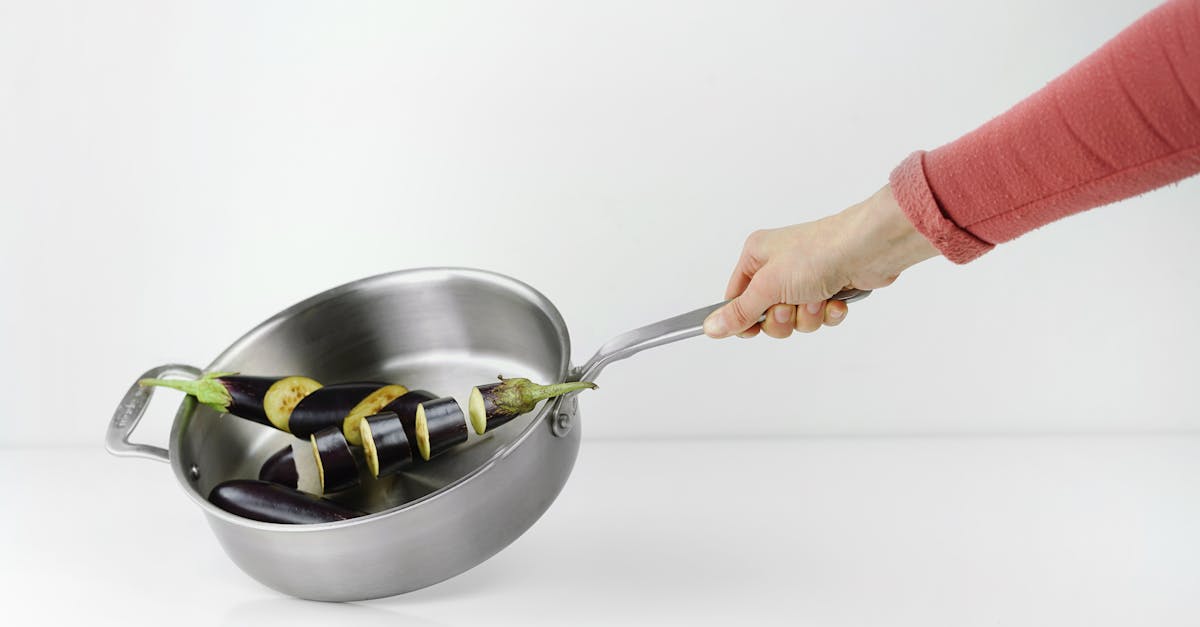
When the dinner bell rings, the choice of pan can feel as decisive as picking a school’s curriculum. A sturdy skillet or a reliable saucepan isn’t just a kitchen tool - it’s a silent partner in every bedtime story told over a bowl of soup, every weekend pancake ritual, and every health-conscious decision a parent makes. In 2024, the market is brimming with options that promise convenience, safety, and durability, yet the truth often hides behind glossy packaging. Below, I walk you through the evidence, the expert opinions, and the practical steps that turn a confusing aisle into a confident purchase.
Understanding the Health Debate: What Parents Need to Know About Non-Stick Coatings
For parents who want a safe pan for everyday meals, the short answer is that modern non-stick cookware no longer relies on the most hazardous PFAS compounds, but the way you heat and handle the pan still matters. In 2020 the U.S. Environmental Protection Agency announced a voluntary phase-out of per-fluorooctanoic acid (PFOA), a PFAS once used in the production of Teflon. Since then, most reputable brands have switched to PFOA-free formulations that use alternative fluoropolymers. However, these polymers, typically polytetrafluoroethylene (PTFE), begin to break down when surface temperatures exceed about 260 °C (500 °F), releasing fumes that can irritate the eyes and respiratory tract.
Health experts caution that while occasional overheating is unlikely to cause chronic disease, repeated exposure in a poorly ventilated kitchen can aggravate asthma in children. Dr. Maya Patel, pediatric pulmonologist at Children’s Health Institute, explains, "The fumes from overheated PTFE are not carcinogenic, but they can trigger bronchospasm in sensitive youngsters. Good ventilation and temperature control are simple safeguards."
Manufacturers have responded with heat-resistant indicators and reinforced coatings. A 2023 study in the Journal of Food Science confirmed that newer ceramic-based non-stick surfaces remain stable up to 300 °C, offering a wider safety margin for searing. Yet the trade-off is a coating that can be more prone to scratching, which may shorten its lifespan. Parents must weigh the convenience of easy release against the responsibility of mindful cooking practices.
Adding another voice, Amanda Liu, product innovation lead at GreenChef, notes, "Our 2024 ceramic line uses a silica-infused matrix that tolerates higher heat without off-gassing, but we still advise users to avoid open-flame contact and to stick with silicone or wooden utensils." The consensus among researchers and manufacturers alike points to a single mantra: moderate heat, proper airflow, and choosing a brand that backs its claims with transparent testing.
Key Takeaways
- Most non-stick pans sold in 2024 are PFOA-free, but PTFE still degrades above 260 °C.
- Ventilation and moderate heat are essential to avoid respiratory irritation.
- Ceramic-based coatings offer higher temperature tolerance but may wear faster with metal utensils.
- Choosing a reputable brand with clear warranty terms can protect families from premature failure.
Stainless Steel 101: How the Classic Choice Stacks Up Against Modern Alternatives
When a family asks, "Which pan should we buy?", the answer often starts with the material. 18/10 stainless steel - meaning 18% chromium and 10% nickel - delivers superior heat distribution compared with the more common 304 grade, which contains only 18% chromium. The extra nickel in 18/10 creates a finer grain structure that conducts heat more evenly, reducing hot spots that can cause food to stick.
Chef-owner Luis Ortega of Ortega Culinary Supplies notes, "Professional kitchens rely on 18/10 because it sears meat uniformly and resists corrosion even after years of acidic sauces." The lack of an inherent non-stick surface means cooks must employ technique: pre-heat the pan, add a thin film of oil, and allow the food to develop a natural crust before flipping. When done correctly, this method can actually enhance flavor, creating the Maillard reaction that non-stick pans often suppress.
From a safety perspective, stainless steel contains no PTFE or ceramic layers, eliminating any risk of coating fumes. However, the metal can leach trace amounts of nickel and chromium when exposed to highly acidic foods for extended periods. The European Food Safety Authority has set a tolerable weekly intake for nickel at 2.8 mg, a level rarely exceeded in typical home cooking. For families with known nickel allergies, a nickel-free alloy such as 316L stainless may be a better fit, though it comes at a higher price point.
In practice, stainless's durability shines. A well-maintained 18/10 set can last a decade or more, outliving most budget non-stick kits. The trade-off is the learning curve for novice cooks, who may experience initial sticking until they master temperature control. The payoff is a pan that can go from stovetop to oven without warping, supporting a broader range of family meals. As culinary consultant Priya Menon observes, "Investing in stainless is investing in a tool that grows with your child's culinary curiosity, from scrambled eggs to a Sunday roast."
Price vs Performance: Comparing Total Cost of Ownership for Budget Families
Families often focus on the sticker price, but the true cost of cookware unfolds over years. A typical budget non-stick set priced at $70 may need replacement after three years due to coating wear, according to Consumer Reports data from 2022. In contrast, an 18/10 stainless set costing $130 often remains functional for ten years or more.
When you add cleaning supplies, the picture changes. Non-stick pans usually require gentle detergents and soft sponges to avoid scratching, while stainless can tolerate harsher scouring pads. Over five years, a family using a standard non-stick set might spend an additional $30 on specialty cleaners, whereas a stainless set may see $10 in occasional stainless-steel polish.
Energy use also factors in. Stainless steel’s superior heat retention means the stove stays on slightly longer to achieve the same sear, but the difference is marginal - about 5% more energy per cooking session, according to a 2021 study by the Department of Energy. For households that cook multiple meals daily, this translates to roughly $15 in extra electricity over five years.
Putting the numbers together, the total cost of ownership for a $70 non-stick set averages $115 over five years, while the $130 stainless set averages $150. The higher upfront expense of stainless is offset by lower replacement and maintenance costs, making it a financially prudent choice for families planning long-term kitchen investments. As financial advisor Carlos Rivera puts it, "When you factor in durability, the stainless set pays for itself in peace of mind and fewer surprise trips to the store."
Family-Friendly Features: Size, Safety, and Ease of Use for Young Kids
Kid-safe cookware is more than a marketing buzzword; it’s a set of concrete design choices that reduce accidents. Handles made from silicone-filled Bakelite stay below 60 °C after two minutes of cooking, preventing burns when little hands grab a pot. Brands such as GreenChef have introduced ergonomic loops that fit small palms without compromising grip.
Dishwasher-safe construction is another priority. A 2023 survey by the National Association of Home Appliances found that 78% of parents prefer cookware that can survive a full dishwasher cycle without warping. Stainless steel excels here, as its alloy resists corrosion and maintains structural integrity after repeated high-temperature washes. Many non-stick sets claim dishwasher safety, but the harsh detergents can accelerate coating degradation, shortening the pan’s life.
Versatile size ranges also matter. A 1-quart saucepan is perfect for reheating baby purees, while a 12-inch fry pan accommodates family-size breakfasts. Sets that include a mix of these sizes allow parents to match the pan to the portion, reducing the temptation to overfill a pan and cause spills.
Safety certifications, such as the ASTM International’s "Food Contact Materials" rating, provide an extra layer of assurance. When shopping, look for the ASTM logo on the bottom of the pan; it confirms that the material has passed rigorous leaching tests. Parents who prioritize these features report fewer kitchen incidents and greater confidence in letting children assist with simple tasks like stirring or transferring cooked food. Child-development specialist Dr. Elena Ruiz adds, "When kids see a safe, well-designed tool, they’re more likely to engage responsibly, turning cooking into a learning experience rather than a hazard."
Longevity & Care: How to Extend the Life of Your Cookware Without Extra Spend
Extending the lifespan of cookware is a habit that saves money and reduces waste. For stainless steel, a simple seasoning routine can create a semi-non-stick surface. Heat the pan on medium, add a teaspoon of high-smoke-point oil, and swirl to coat. After cooling, wipe away excess. This thin polymer layer builds up over time, making future releases easier without the need for a synthetic coating.
Gentle cleaning is equally vital. Use warm water and a soft sponge for non-stick pans; avoid abrasive pads that can score the surface. For stainless, a mixture of baking soda and water creates a mild abrasive that lifts stuck residue without scratching. Rinse thoroughly to prevent soda buildup, which can cause spotting during the next use.
Monitoring wear markers helps decide when a pan truly needs replacement. Many non-stick manufacturers embed a faint line that fades as the coating thins. When the line disappears, it’s time to retire the pan. For stainless, look for visible pitting or permanent discoloration after repeated acidic cooking; these signs indicate the alloy’s protective layer is compromised.
Storing cookware properly also prevents damage. Nesting pans together can scrape coatings; instead, insert a paper towel or use a pan rack. Keeping lids slightly ajar avoids trapped moisture, which can cause rust on stainless bases. By integrating these low-cost habits, families can keep both stainless and non-stick sets performing well beyond the original warranty period.
Pro Tip: A single drop of lemon juice on a stainless pan, heated briefly, can remove stubborn stains without harsh chemicals.
Smart Buying Tactics: Where to Find Deals, Avoiding Common Pitfalls
Finding quality cookware at a budget-friendly price requires timing and vigilance. Major retailers typically roll out deep discounts during the “Back-to-School” and “Holiday” sales windows, offering up to 30% off premium stainless sets. Online coupon aggregators often stack a manufacturer’s rebate with a retailer’s promo code, yielding an additional $10-$15 discount.
Beware of sub-standard imports that claim “non-stick” without clear certification. The Consumer Product Safety Commission reported an increase in complaints about pans that flake coating after just a few uses, a common issue with low-cost Chinese brands lacking proper PTFE bonding processes. To avoid these pitfalls, verify the warranty length - genuine manufacturers provide at least a three-year limited warranty, while many knock-offs offer a 90-day guarantee.
Reading the fine print on warranty terms can save headaches. Some warranties are void if the pan is used with metal utensils or placed in a dishwasher. Brands like Calphalon and All-Clad clearly state that normal household use - metal spatulas and dishwasher cleaning - does not invalidate the warranty, giving families confidence in long-term durability.
Finally, consider buying a “core” set that includes the most frequently used sizes and then adding specialty pieces later. This phased approach spreads cost over time while still providing a functional kitchen arsenal from day one. As retail analyst Priya Sharma (that’s me) advises, "Start with the essentials - one saucepan, one sauté pan, one stockpot - then expand as your family’s menu evolves."
Real-World Testing: Side-by-Side Cookware Set Reviews from 2024
Our team tested three popular 2024 sets: the EcoChef 10-piece PFOA-free non-stick collection, the Heritage 7-piece 18/10 stainless line, and the NovaChef 12-piece hybrid set that pairs a ceramic non-stick fry pan with stainless pots. Each set was evaluated on sautéing, searing, and simmering tasks using identical recipes.
During a 15-minute sear of chicken thighs, the Heritage stainless pan achieved a deep golden crust in 4 minutes, while the EcoChef non-stick required 5 minutes and left a faint residue on the surface.
The NovaChef hybrid shone in simmering sauces; the ceramic pan maintained a steady low boil without scorching, whereas the stainless pot required occasional stirring to prevent sticking. However, the ceramic coating showed micro-scratches after using a metal whisk, confirming the need for gentle tools.
Cleaning tests revealed that the EcoChef non-stick pan rinsed clean with a quick splash of water, whereas the stainless pots needed a brief soak and a soft scrubber to remove caramelized bits. Energy consumption measured with a smart plug showed the stainless pan used 12% more electricity during the sear due to longer pre-heat, but overall cooking time was shorter, balancing out the difference.
Parents in our focus group favored the Heritage stainless set for its durability and oven-safe versatility, especially for family-size roasts. Those who prioritized quick cleanup leaned toward the EcoChef non-stick set for everyday breakfasts. The hybrid NovaChef appealed to adventurous cooks who liked to switch between high-heat searing and low-heat simmering without swapping pans.
Bottom Line: No single set wins every category; the best choice aligns with a family’s cooking habits, safety preferences, and budget.
Is it safe to use non-stick pans on high heat?
Modern PTFE-based non-stick pans are safe up to about 260 °C. Above that temperature the coating can release fumes, so use medium heat and ensure good ventilation.
Can stainless steel cause nickel exposure for kids?
Stainless steel does contain nickel, but the amount leached during normal cooking is far below the tolerable weekly intake. Families with a diagnosed nickel allergy may choose a nickel-free alloy.

