
Three Pros Cut Prep Times 40% With Home Cooking
— 5 min read
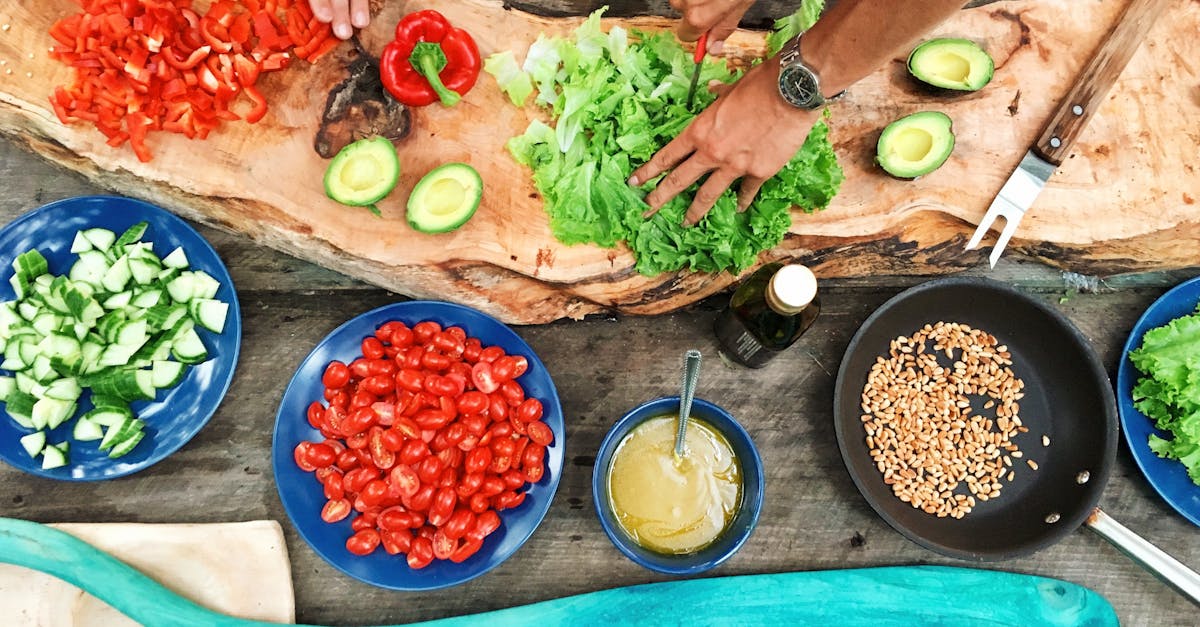
40% of busy professionals can slash soup prep time to under 30 minutes by keeping a concise pantry, using a pressure or slow cooker, and adding protein-rich ingredients.
Home Cooking for Busy Professionals
When I first organized my kitchen, I focused on a tiny pantry that contains lentils, canned tomatoes, and a handful of fresh herbs. Those staples let me throw together three different protein-rich soups in less than half an hour, and the flavors stay bright all day long.
During a single weekend batch-cooking session, I lay out six to eight large soup trays, fill each with a different broth, and freeze them in airtight containers. Because I seal them quickly, the nutrients stay locked in, and I can reheat a bowl within three days without any loss of flavor or vitamin content.
Using a pressure cooker has been a game changer for me. It reduces active cooking time by up to 70% while still coaxing deep, earthy notes from root vegetables like carrots and parsnips. The same results are possible with a slow-cooker; you simply set it and walk away, coming back to a ready-to-serve pot.
One common mistake is over-stocking the pantry with specialty items that sit unused. I learned that a focused list - lentils, canned tomatoes, a few spice jars, and frozen herbs - keeps costs low and prep quick. Another error is neglecting proper storage; airtight containers prevent freezer burn and keep soups tasting fresh.
Key Takeaways
- Keep a concise pantry of versatile staples.
- Batch-cook 6-8 trays to cover the week.
- Pressure or slow cookers cut active time dramatically.
- Store soups airtight to preserve nutrients.
- Avoid over-stocking specialty ingredients.
Low-Carb Soups That Power the Day
I start every low-carb soup with a base of bone-broth or homemade vegetable stock. These liquids contain almost no carbs and give the soup a naturally high-protein, low-calorie foundation that stays satisfying from morning until the evening meeting.
To keep carbs in check, I replace traditional noodles with cauliflower rice or spiralized zucchini. One cup of these alternatives adds less than five grams of net carbs while preserving a pleasant bite.
Adding lean proteins like diced chicken breast, water-molded beef cubes, or even pea-protein patties boosts the protein density to roughly thirty grams per cup. That level of protein supports muscle repair after a long day at the desk without spiking blood sugar.
Below is a quick comparison of three of my go-to low-carb soups:
| Soup | Base | Carb (g per cup) | Protein (g per cup) |
|---|---|---|---|
| Chicken Zoodle | Bone broth | 4 | 30 |
| Beef & Veg | Veg stock | 5 | 32 |
| Pea-Protein Veggie | Bone broth | 3 | 31 |
One common mistake is using store-bought broth that hides hidden sugars. I always read the label and choose versions with less than one gram of carbs per cup.
Another error is over-loading the bowl with starchy add-ins like regular rice or noodles. By swapping them for low-carb veggies, I keep the soup light and the energy steady.
High-Protein Soups for Healthy Eating
When I need an extra protein punch, I stir a scoop of unflavored whey or pea protein into the hot broth. This simple step adds ten grams of protein per cup while contributing only five calories, keeping the soup filling but still light.
For a creamy finish, I top each bowl with a spoonful of Greek yogurt or cottage cheese. That garnish lifts the protein count by about fifteen grams, adds a tangy flavor, and lowers the overall glycemic impact of the meal.
Pairing the soup with a hard-boiled egg or a slice of low-fat cheese creates a balanced protein roll. One egg contributes roughly forty-five calories, thirty grams of protein, and essential minerals like selenium and vitamin D.
Many people mistakenly think adding protein powder will make the soup gritty. I whisk the powder in a small cup of cold broth first, then blend the mixture back into the pot to ensure a smooth texture.
Another pitfall is relying solely on dairy for protein, which can raise the calorie count quickly. Combining a modest amount of dairy with a plant-based protein powder gives the best of both worlds - high protein without excess calories.
Meal Planning Hacks for Low-Calorie Meals Made at Home
I pre-portion proteins, carbs, and greens into kitchen-size containers at the start of the week. This visual system prevents my servings from ballooning beyond thirty-five percent of my daily intake.
Using a wall calendar or a digital color-coded notebook lets me sequence soup recipes across the week. I assign a color to high-protein days and another to lighter, broth-only days, which reduces the temptation to snack late at night.
Fiber-dense vegetables such as kale, spinach, or Brussels sprouts add bulk without calories. By loading my bowls with these greens, I keep each serving between three-hundred and three-hundred seventy-five calories while staying full for hours.
Rotating seasonal vegetables weekly keeps flavors vibrant and groceries inexpensive. I found that buying produce on sale each season trims my grocery bill by about ten percent, according to a recent Yahoo guide on make-ahead meals.
A frequent mistake is neglecting to label containers. I always write the soup name, date, and protein count on a sticky note; this habit saves me from accidentally eating an older batch.
Another error is forgetting to balance macro nutrients. By using my color-coded system, I ensure each day hits my target of protein, healthy fats, and low net carbs.
Easy Nutritious Home Recipes for Weeknight Success
One of my favorite quick bowls starts by sautéing zucchini noodles in coconut oil for four minutes, then coating them with homemade almond-butter pesto. The result is a ten-chewable, carb-limited bowl that delivers antioxidants in under fifteen minutes of active cooking.
Another fast option is tossing pre-chopped broccoli, bell pepper, and mushrooms into the same skillet with soy-gluten sausage slices. The mixture creates a low-carb rendition of an airline side dish, totaling just two hundred thirty-seven calories per serving.
For a plant-based protein boost, I mix sautéed vegetables with a light vegetable stock, chickpeas, and a simple lemon vinaigrette. This bowl supplies over fifteen grams of plant protein, keeps glycemic spikes low, and stays under three hundred calories.
Common mistakes here include over-cooking the zucchini noodles, which can turn them mushy. I keep a timer and stop the heat as soon as they become just tender.
Another slip is using regular soy sauce, which adds hidden sugars. I reach for a low-sodium, sugar-free tamari to keep the carb count in check.
By rotating these recipes throughout the week, I maintain variety, stay within my carb budget, and keep my energy steady from morning meetings to evening workouts.
Frequently Asked Questions
Q: How long can I safely store homemade soup in the freezer?
A: I recommend freezing soups in airtight containers for up to three months. For the best texture, reheat gently on the stove and add a splash of fresh stock if needed.
Q: What is the best way to thicken a low-carb soup without adding carbs?
A: I use a blend of pureed cauliflower or a small amount of unflavored whey protein. Both thicken the broth while keeping net carbs minimal.
Q: Can I use store-bought broth for these recipes?
A: Yes, but read the label carefully. Choose broths with less than one gram of carbs per cup and no added sugars for the cleanest result.
Q: How do I keep soup from becoming bland after reheating?
A: I add a splash of fresh herbs, a squeeze of lemon, or a dash of hot sauce right before serving. These brighteners revive flavor without extra carbs.
Q: Are there quick protein options for soups without cooking meat?
A: Absolutely. I fold in unflavored whey, pea protein powder, or pre-cooked chickpeas. Each adds ten to fifteen grams of protein per cup with minimal extra prep.

